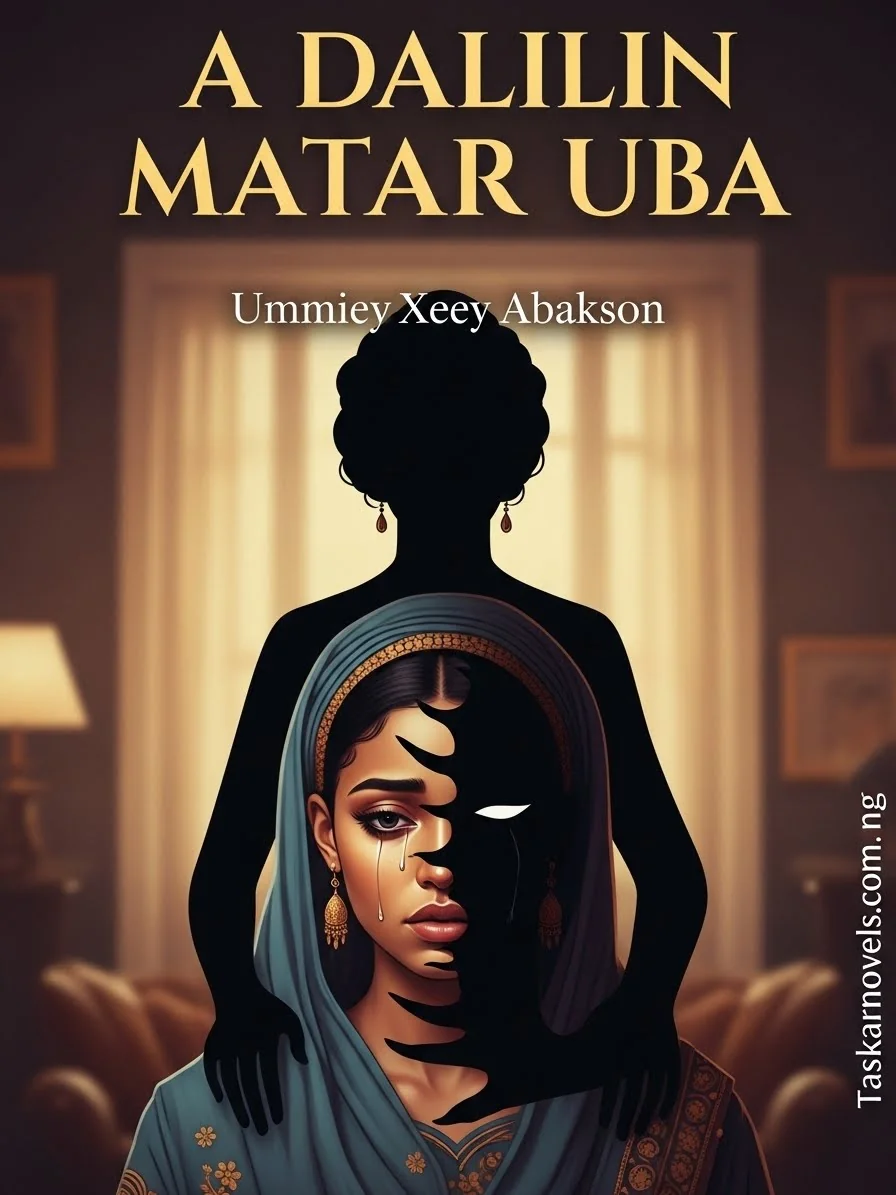

Imagine walking into a palace so big and grand that it feels like a whole city on its own. Everything about the place screams power and old traditions. This is the Daulatul Noor kingdom, a place with a very long history. The current ruler is Sarki Muhammad Hashim II. He is the seventh king in his line, and people know him as a man who does not joke with justice. He is fair but very strict. If you do something wrong, it does not matter if you are his son or a commoner, he will punish you. This is where the story of Saraki begins, and let me tell you, it is the kind of drama that will make you hold your breath from the very first page.
The story opens with a very heavy atmosphere in the palace court. The King is sitting there, looking very powerful with his royal turban covering almost his whole face. You can only see his nose and his eyes. These are not just normal eyes; they are sharp and can make anyone feel small. One part of the book says — "His very sharp and influential eyes, which he uses to give a criminal their first punishment, were fixed on his eldest son who was kneeling before him." (translated from Hausa). That son is Yarima Saraki, the main character. He is in big trouble, the kind of trouble that can ruin a person forever. He is being accused of something terrible, but even with his father staring him down, Saraki does not look scared. He looks like a man who knows the truth, even if nobody else believes him.
The whole place is packed with people who want to see what will happen to the Prince. The drama is real because the crimes he is accused of are things the kingdom hates. We are talking about rape, which they call "fyade" in Hausa. The Waziri, who is like the King's right-hand man, stands up to tell everyone what Saraki supposedly did. It is a lot to take in. They say he attacked two servant girls. One of them even died while giving birth to a child they say is his. Then, they say he also attacked Princess Husna, who was just visiting her sister at the palace. It sounds like Saraki is a monster, but as you read, you start to wonder if someone is setting him up. If you like stories about people being framed, you should check out RAYUWA SAI DA KE because it also has that kind of deep emotion.
The Waziri says it clearly in the book — "It is known by everyone in this blessed town that ZINA is one of the major crimes the palace condemns... but suddenly Yarima Saraki was found committing the worst crime that is even bigger than zina, which is RAPE." (translated from Hausa). When the Waziri said this, you could hear a pin drop in the court. Saraki just stays quiet, kneeling there. He hates these crimes more than anyone, and now he is the one being called a criminal. It is a very painful situation. You can feel his anger and his sadness, but he is too proud to start begging or crying like a baby. He just waits for the hammer to fall. This is the kind of writing Ouummey is good at; she makes you feel the weight of every word.
Then comes the punishment, and it is brutal. The King decides that Saraki is no longer his son. He banishes him from the kingdom forever. He tells him he must leave today and he cannot take anything that belongs to the palace. No royal clothes, no money, no cars, not even his school certificates or his ATM cards. He has to leave with nothing but the life in his body. The King even says that if Saraki ever tries to come back or get close to the family, he will be under the anger of God. It is a total wipeout of his identity. If you want to download Hausa novels that show this kind of royal fall from grace, this one is a top pick.
What Saraki does next is what makes you love him as a character. He doesn't argue. He doesn't scream that it's unfair. He just stands up slowly. He starts taking off all the royal things on his body. He removes his expensive royal cloak and drops it. He takes off his soft royal shoes. He unwinds the turban from his head and lets it fall. He even takes off his rings and a necklace that has the palace symbol on it. He leaves everything on the floor in front of the Waziri. It is a very powerful moment. He walks out of that court with nothing, and you can see the servants and slaves whispering as he passes by. Some are happy he is going, while others are sad because they don't believe he could do such things. This reminds me of the vibe in ABINCIN WANI where things are not always what they seem.
After leaving the court, Saraki goes to see the one person who truly loves him—his mother, Gimbiya Halimatus-Sadiya, or Mami. This part of the book is so sad it might make you cry. Mami is in her room, crying her eyes out because she knows her son is being hunted by enemies. She knows he is a good person with a good heart. When Saraki walks in, she tries to hide her tears. She wants to be strong for him. He kneels before her and puts her hand on his head, asking for her blessing like he always does. It is their tradition, and even now, when he is no longer a prince, he still wants that motherly love. You can find more emotional family stories on Taskar Novels.
Mami looks at him and tells him something very important. She says she believes in him. She says she knows the way she raised him and she knows he didn't do those things. This gives Saraki a little bit of peace. Even if the whole world is against him and his father has disowned him, his mother is still in his corner. One part says — "Saraki, is it Mami that you don't want to look at today?" (translated from Hausa). He finally looks at her and then hugs her tightly. He doesn't say much because he is so angry and hurt, and he doesn't want to say something bad. He tells her he will follow the King's orders and leave, even though he is innocent. It is a heartbreaking goodbye. For more stories about strong bonds, you should read JADEEDAH.
As Saraki prepares to leave the palace, you start to see the politics involved. There are people in the royal house who are very happy he is gone. They are the ones who probably planned the whole thing to get him out of the way. Maybe they want the throne, or maybe they just hate him. The story makes you want to follow him into the world to see how a Prince who has nothing survives in a place where nobody knows him. He only takes one ATM card—the one he got with his own hard work and sweat, not palace money. He is ready to start a new life from zero. This kind of "starting from the bottom" story is also found in DAN KARUWA, which is another great read.
The way the author describes the palace and the way people act is very realistic. You can almost smell the incense in the rooms and hear the sound of the King's staff hitting the floor. It is a world of power, secrets, and betrayal. Saraki is now "The Accused Prince," and his journey is just beginning. Will he find the people who framed him? Will he ever come back to claim his name? Or will he find a new life and a new love far away from the palace walls? If you enjoy stories about men in high positions facing big trials, you might also like CAPTAIN ABBAS or maybe GELLE ƁINGEL for some different cultural flavor.
The writing in this book is simple but it hits you right in the heart. You don't need a dictionary to understand the pain Saraki is going through. It is a story about how life can change in just one day. One minute you are a prince that everyone bows to, and the next minute you are a commoner with no shoes on your feet. It is a lesson about patience and keeping your dignity even when things are bad. You can find many Hausa novels online that talk about these things, but Saraki has a special way of pulling you into the palace drama.
If you want to read the full story and see how Saraki handles his new life, you should definitely check out the best Hausa novels on Taskar Novels. They have this book and so many others that will keep you busy all day. It is the best place to get your daily dose of Hausa fiction. Just go to Taskar Novels and search for Saraki by Ouummey. You won't regret it because the story only gets better and more exciting as it goes on. Happy reading!