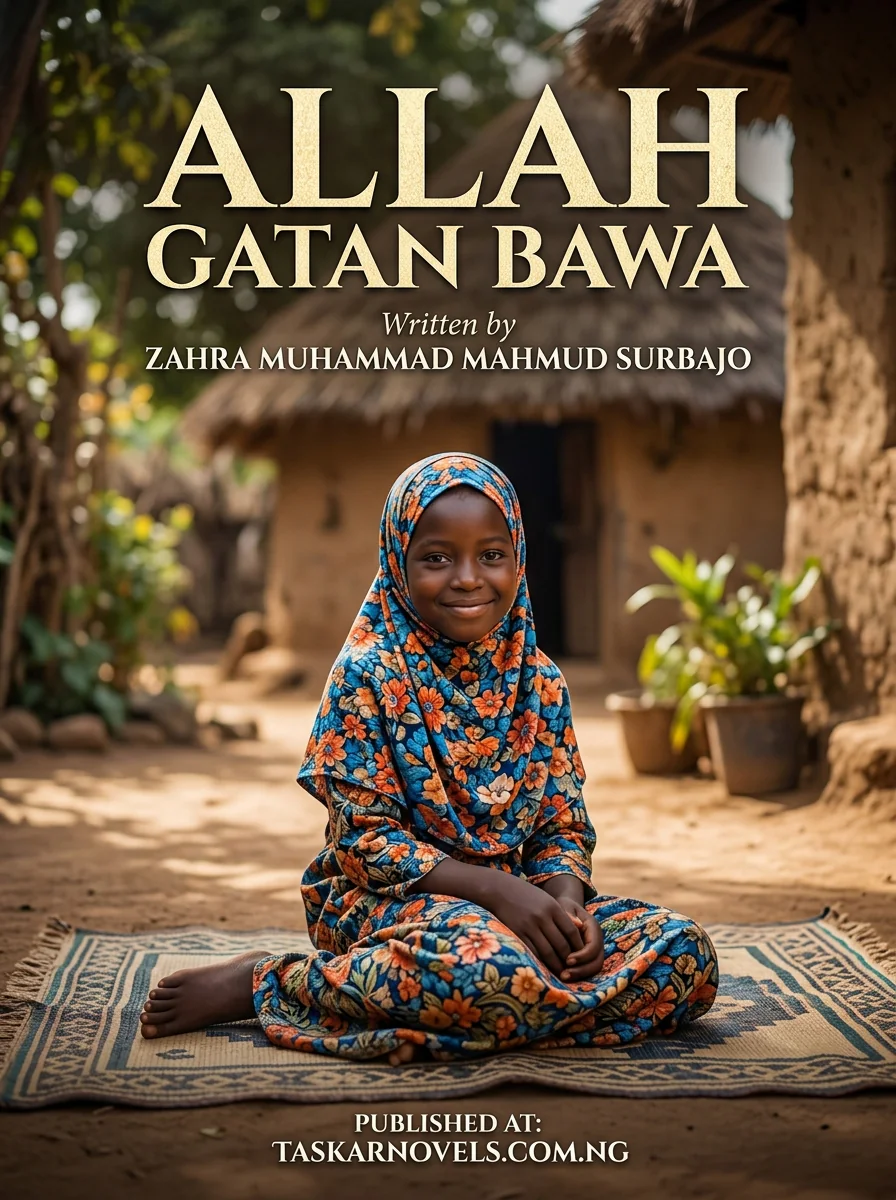
Imagine a young girl named Ilham sitting on a small raised platform outside her house, just watching other kids play. She is about eight years old, and she is very beautiful because her parents are Shuwa Arabs. But life has been very hard for her since the day she was born. Ilham has a physical disability that makes her life different from every other child in her neighborhood. One of her legs and one of her arms are paralyzed, and she has a condition that makes her drool all the time. While other kids are running around and playing games, Ilham can only sit and watch. She tries to join them sometimes, but she has to drag her leg along, and her hand stays tucked against her chest. The worst part is how the other children treat her. They don't want to play with her. They mock her and make fun of her condition, but because Ilham is so innocent, she just looks at them and smiles. She doesn't even realize they are being mean to her. This story, written by Zahra Muhammad Mahmud Surbajo, is one of those emotional tales that will really make you think about life and how we treat people who are different from us.
To understand why things are so tough for Ilham, you have to know where her parents came from. Her father, Malam Bukar Shetima, used to live in Bama, in Borno State. But because of the terrible fighting and crisis in that area, he lost his parents and got separated from his only brother, Imamu. He had to run away for his life and ended up in a camp for displaced people. That was where he met Maryam. Maryam was also all alone because the war had taken her family too. Bukar felt so much pity for her because she was a woman with no one to protect her. He decided the best thing was for them to get married so they could look after each other. They didn't have much, but they had a lot of love. They moved to Wudil in Kano State because Bukar didn't want them to stay in the refugee camp forever. He worked so hard doing manual labor just to pay for a tiny two-room house for them to live in. If you enjoy reading about families struggling to survive against all odds, you should check out other best Hausa novels that talk about these kinds of life lessons.
When Ilham was born, her parents were so happy because she was such a beautiful baby. But soon, they noticed she wasn't moving like other babies. They took her everywhere looking for a cure, but every doctor told them the same thing—that she was born this way and there was nothing they could do. It was a heavy blow, but they accepted it as the will of God. A few years later, they had another daughter named Ameera. Ameera was healthy and very smart. Even though she was younger, she became like a protector for her big sister. When they started going to a local government primary school, Ameera would hold Ilham’s hand and walk her to class. The kids at school were just as mean as the ones at home. They would call Ilham names and laugh at her, but Ameera would cry and shout at them, asking, "What did she ever do to you?" It is so heartbreaking to see a five-year-old trying to defend her big sister from a world that is so cruel. You can find many stories with this kind of deep family bond when you download Hausa novels from the right places.
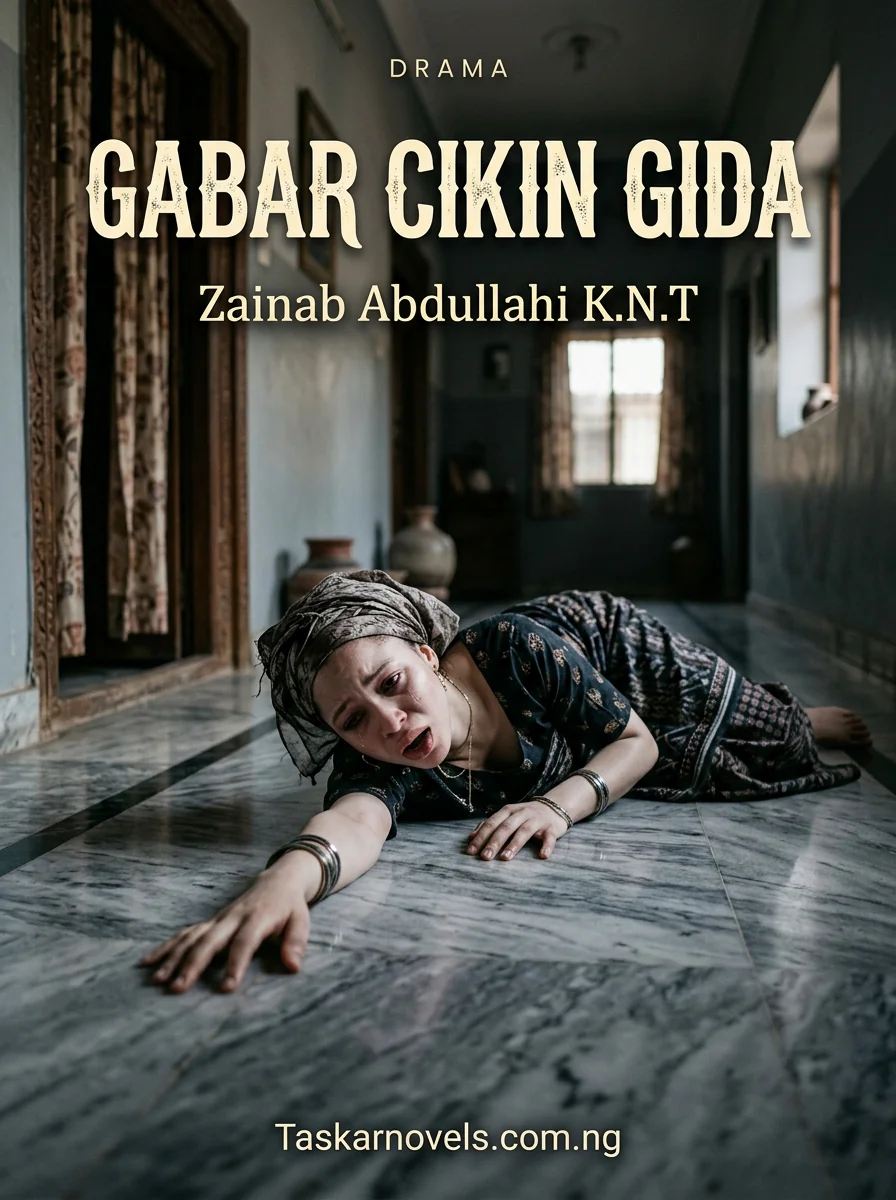
One afternoon, the bullying got really bad. The neighborhood kids were throwing sand at Ilham while she was just sitting there laughing, thinking they were playing with her. Her mother, Maryam, heard the noise and came outside. When she saw her daughter covered in dirt and drool, with kids mocking her, her heart just broke. She didn't even have the energy to fight the kids anymore. She just picked up Ilham and took her inside to wash her. As she was bathing her daughter and changing her clothes, Maryam couldn't stop crying. She looked at Ilham, who was still smiling, and felt a deep pain. In the book, there is a very moving part where Maryam talks to her husband about why she doesn't complain to the neighbors anymore. She says, "What is the point of telling you to worry you? These children won't stop mocking her even if I complain to their parents. Ilham did not create herself; it was God who made her this way, and I believe He is her protector." This is why the book is called Allah Gatan Bawa, because it means God is the helper of the servant. It reminds me of the themes in WATA HANYA where characters have to rely entirely on faith when humans fail them.
Life continued like this for a few more years. Bukar was struggling every day to put food on the table. Sometimes he would go out to look for work and come back with nothing. But he never gave up on his daughters. He even managed to buy them new clothes when they finished primary school. Ameera was so smart that she jumped classes and ended up graduating the same time as Ilham. They were so happy that day, wearing their new outfits. But just when things seemed a little bit okay, a big problem came knocking at their door. Bukar had been hiding a secret from Maryam because he didn't want to scare her. They were three months behind on their rent, and the landlord was losing his patience. One day, a young boy came into the house and told Bukar that someone was calling him outside. Bukar knew immediately who it was, and his heart sank. He tried to hide his fear, but Maryam saw it on his face right away.
The scene at the door was very ugly. The landlord didn't come alone; he brought two big, scary men with him. Bukar tried to beg, even kneeling on the ground to ask for more time, but the landlord was heartless. He started shouting and insulting Bukar in front of everyone. One of the powerful lines in the Hausa text shows how angry the landlord was when he said, "Did someone tell you I got this house for free that I should let you stay without paying?" He didn't care that Bukar had a disabled daughter or that they had nowhere else to go. He ordered the two men to go inside and throw all their belongings out into the street. It was a moment of pure chaos and shame. Maryam was inside when these strange men just burst in and started grabbing their things. Bukar came in crying, telling her that they were being kicked out. If you like drama that feels real and makes you want to jump into the book to help the characters, this is definitely for you, just like RAYUWARMU A YAU or KURMAN ƘADDARA.
Imagine the scene: a poor family, with a disabled child who can barely walk, being pushed out onto the street with their few pots, pans, and mattresses. The neighbors who used to mock Ilham were all standing there watching, but nobody stepped forward to help. It shows how lonely poverty can be. But even in that dark moment, the author, Zahra Muhammad Mahmud Surbajo, shows us that Maryam and Bukar have a kind of strength that money can't buy. They have each other, and they have their faith. They had to gather their things while people stared, not knowing where they would sleep that night. This part of the story is so tense because you really feel for them. You start wondering if Bukar's brother, who he lost years ago, will ever show up to help them, or if someone kind will finally see Ilham for the blessing she is instead of a burden. It's a lot like the emotional journeys you find in NEEHAL or the intense struggles in BAKAR KAUNA Book 1.
As they stood outside their former home, Ilham was still there, probably wondering why all their things were on the ground. She doesn't understand the concept of rent or eviction. She just sees her parents crying and feels confused. This novel really highlights how society treats the vulnerable. People see a disability and they see a reason to stay away, but this family sees a reason to love harder. Even though they are Shuwa Arabs and naturally very beautiful, their beauty didn't save them from the harsh reality of being refugees and being poor. It makes you think about how many people are living like this in real life, displaced by war and trying to raise children with special needs. The writing is very simple but it hits you right in the heart. If you want to find more stories that touch on these kinds of social issues, you can search for Hausa novels online and you'll find plenty that show the different sides of life in Northern Nigeria.
The story of Ilham is far from over. Being thrown out of their home is just one of the many trials they will face. But the title keeps reminding us that no matter how bad things get, "Allah gatan bawa." There is always hope. Will Bukar find a better job? Will Ilham ever get the medical help she needs? Will the people who mocked her ever realize their mistakes? These are the questions that keep you turning the pages. The way the author describes the bond between the two sisters is one of the best parts of the book. Ameera is so young, yet she carries the weight of the world on her shoulders just to make sure her sister is okay. It’s a beautiful and sad story all at once, much like what you would experience in A SANADIN KAMA. You can't help but root for this family and hope that something good finally happens to them.
If you are looking for a story that will make you cry, make you pray, and make you appreciate what you have, you really need to read this one. It’s a real page-turner that shows the reality of life for many people. You can find this novel and many other amazing stories on Taskar Novels. They have a huge collection of different genres, so whether you like drama, romance, or stories about family, you will definitely find something you love there. Go check it out and start reading!