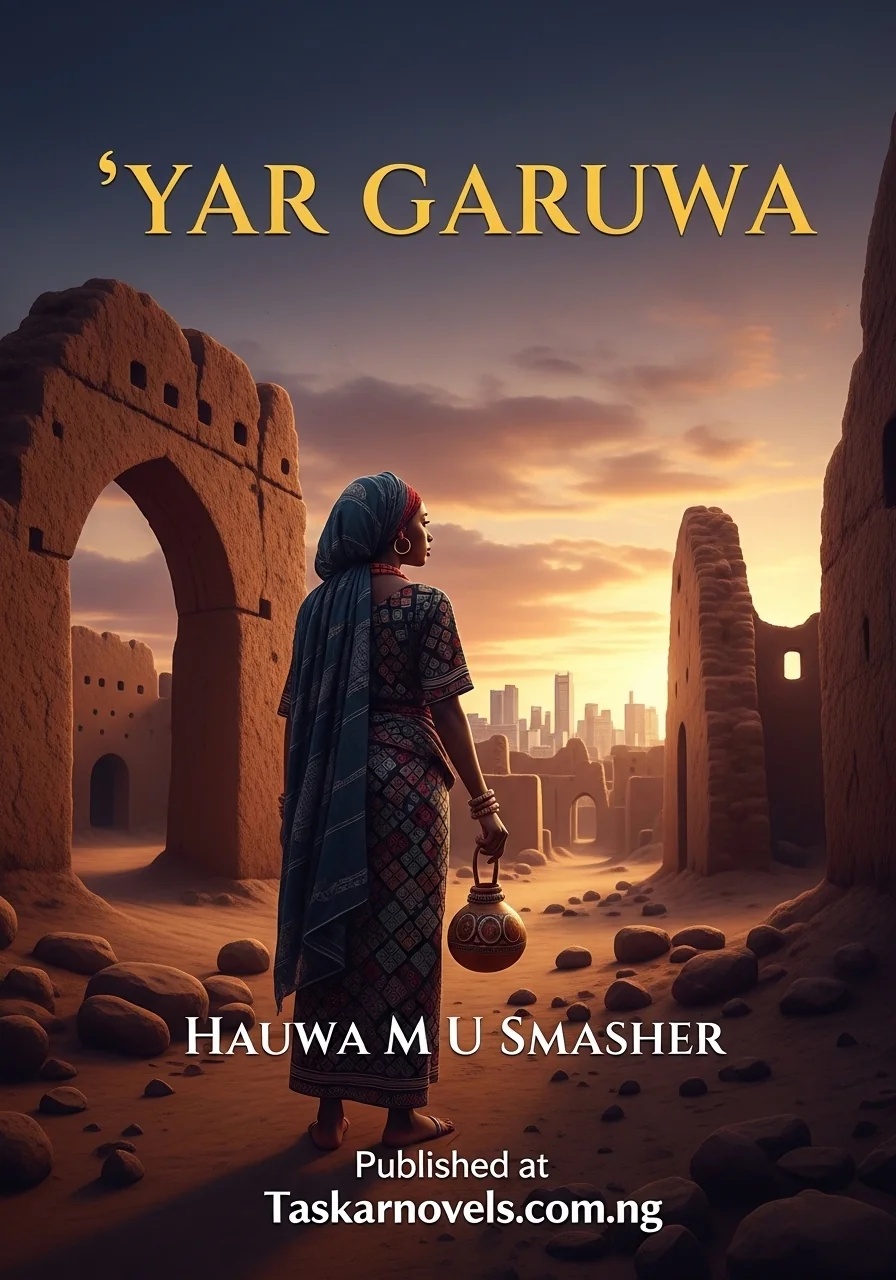

Imagine a quiet afternoon in a small village called Ƙundu. Everything was normal until a motorcycle started driving slowly through the dusty paths. Two people were on it, but everyone’s eyes were fixed on the man sitting at the back. He looked like he just stepped out of a movie or a holy land. He was very fair-skinned, wearing a bright white robe called a jallabiya, a turban like the Arabs wear, and a scarf around his neck. You know how people in small villages get when they see someone who looks different? Everyone stopped what they were doing just to stare at him. The motorcycle stopped near a place where the local men usually sit to chat. The man hopped off with his bags, and the way he moved was just different. He looked like a big man, a very important person. When he spoke, his Hausa sounded a bit shaky, like someone who was still learning, but he mixed it with some heavy Arabic sounds that made him seem very holy and educated. He asked the driver how much he owed, and when the driver told him, the man didn't even bargain. He just pulled out a bunch of money and told the driver to take what he wanted. He even said that he just changed his money since he arrived in Nigeria and didn't really know how the counting worked. He was just rubbing his soft hair and beard, looking every bit like a real Arab from the Middle East. If you want to see more stories like this where things aren't always what they seem, you should check out Taskar Novels for some really cool reads.
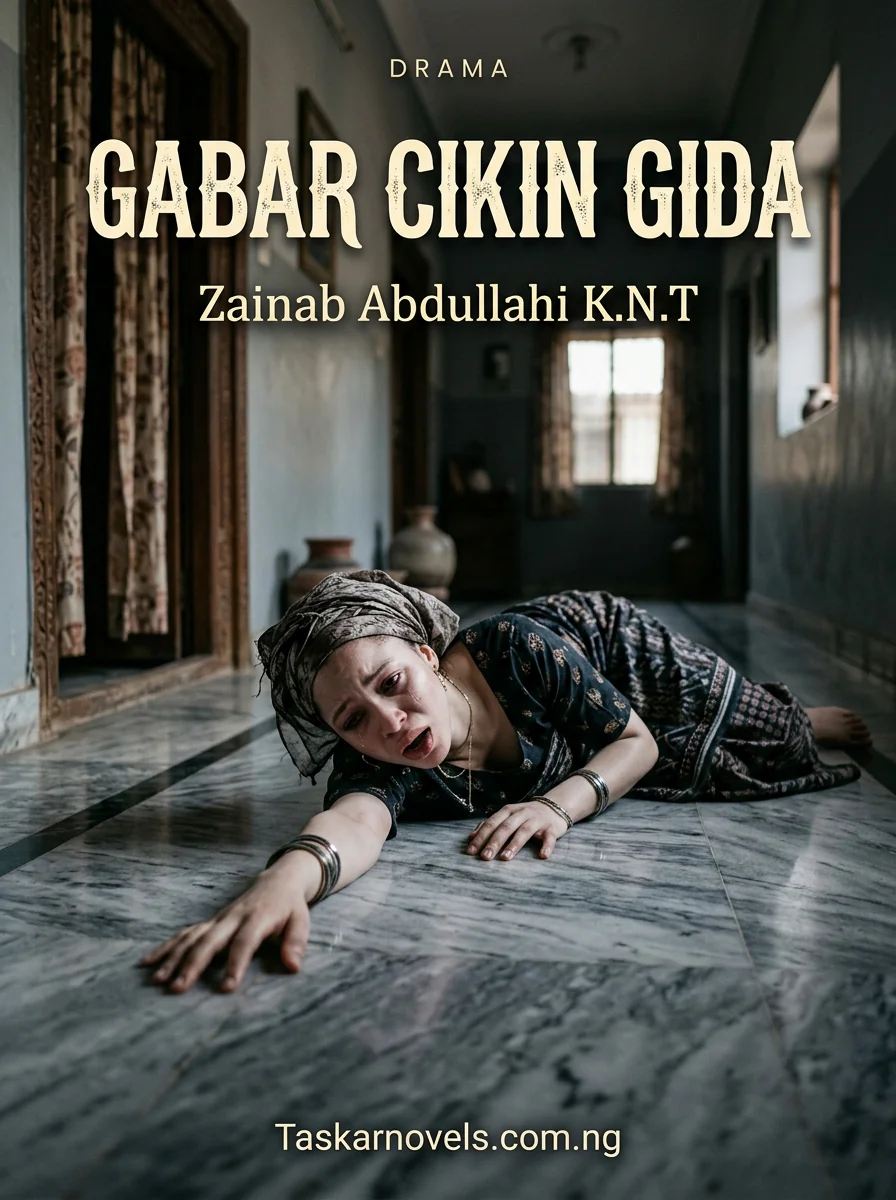
This man walked up to the group of villagers and gave them a very long and formal Islamic greeting. He was holding his prayer beads, moving them through his fingers as he spoke. All the men there were so impressed. I mean, who wouldn't be? It’s not every day a "Balarabe" or an Arab man walks into your village. They all shook his hand, feeling lucky to even touch him. He asked them to take him to the village head, the Mai Gari. A man named Audu volunteered to show him the way. As they walked through the village, more people started noticing him. By the time they got to the Mai Gari’s palace, the sun was starting to go down, and the place was full of people. The village head was sitting on his big chair, looking all important, but the moment he saw this fair-skinned stranger, even he was shocked. He looked at the man with his mouth wide open. He probably only saw people like this on TV when they show pictures of the Ka'aba in Mecca. He asked Audu where on earth he found this man. This is the kind of drama you find in stories like GABAR CIKIN GIDA, where family and village life get really messy. The Mai Gari told everyone to move back and give the stranger space. They were all looking at him like he was some kind of miracle.
The stranger stood there with a calm smile, showing two teeth that looked like they were capped with gold or something special. He cleared his voice and finally introduced himself. This part of the book really shows how he captured their hearts. He said — "My name is Sheikh Abu Abdurrahman Al-Yamanini, I am from Yemen, from Al-Mukalla. I was sent here to Nigeria to help the people solve problems related to spirits, jinn, and sicknesses of the heart and body." (translated from Hausa). He told them he had been studying these things since he was nine years old and even worked in a big mosque back home. He made it sound like he wasn't there for money at all. He said he just wanted to help for free, unless someone felt like giving a little gift, just like they do back in Yemen. When the people heard "Allahu Akbar," they were shouting it out of joy. They really believed God had sent them a savior. If you love stories where people are looking for help in strange places, you might also like ALLAH GATAN BAWA, which is another great book on the site.
The Mai Gari was so happy he started adjusting his turban, feeling proud that such a big guest chose his village. He told his people that they had never had an Arab guest before and that this was a huge blessing for Ƙundu. He started listing all the problems they had. He talked about husbands who couldn't perform their duties, women who sat by themselves talking to invisible people, and children who cried all night for no reason. He was sure that the Sheikh would fix everything. He immediately offered the man a place to stay in the guest house and promised to feed him the best local food like tuwo, dambu, and fura. But here is where it gets funny and where the title MALAMIN BOGI by Maman Afrah really starts to make sense. While the Sheikh was acting all holy on the outside, his inside was a different story. When he heard "tuwo" and "dambu," he was actually annoyed. In his mind, he was thinking about how he left his own village just to escape eating that kind of food, and now here it was again! To find more funny and dramatic stories, you can download Hausa novels anytime.
The Sheikh didn't want the local food, so he decided to use his "Arab" status to get what he wanted. He raised his finger and said he had a question. He pretended he didn't even know what the words "tuwo" or "dambu" meant. He said — "I do not know this name." (translated from Hausa). He told the Mai Gari that in his country, they eat chicken (which he called "dajaja") for breakfast, lunch, and dinner. He also said they drink very thick tea with lots of milk and only eat high-quality "government" rice from bags. The poor Mai Gari started sweating. He didn't even eat chicken that often in his own house! They only killed animals for big festivals. But because he didn't want to look bad in front of his people or lose this "holy man," he promised they would do their best to provide exactly what the Sheikh wanted. The Sheikh was secretly laughing because his plan to eat well was working. This kind of trickery reminds me of the twists in AZAL. You can find many more Hausa novels online that deal with people pretending to be who they are not.
As the conversation went on, it became clear that this Sheikh was a total fraud. He wasn't even good at Arabic! He was just using a few words he learned from a young man and a Hausa-Arabic dictionary. But the villagers were so uneducated in those things that they fell for it completely. Every time he said something they didn't understand, they just nodded and thought he was praying for them. The Mai Gari even thought the Sheikh was praying for him to go to Mecca! It’s really sad but also funny how people can be tricked when they are desperate. The crowd outside the palace kept growing. Men, women, and children were all pushing each other just to get a glimpse of the "white man." It was like they were giving out free bags of rice. This book really captures that village atmosphere perfectly. If you enjoy stories about marriage and the problems that come with it, which the Mai Gari mentioned, you should definitely read MUTUWAR AURE.
The author, Maman Afrah, did a great job of showing the contrast between the Sheikh's fake holy outside and his greedy inside. While the villagers were looking at him as a saint, he was busy worrying about his stomach and how to get the best life for himself without doing any real work. He even lied and said he spent a month in another town learning Hausa just so he could come and help them. The village head was so convinced that he started ordering people around to make sure the guest house was ready. He was ready to spend whatever it took to keep this man in Ƙundu. It makes you wonder how long the Sheikh can keep up this act before someone realizes he's a fake. For more stories about complicated family dynamics and secrets, check out UWAR AGOLA. You can always find the best Hausa novels on the site to keep you entertained for hours.
By the time it was almost time for the evening prayer, the Mai Gari told the crowd to go home so the Sheikh could rest. He had the Sheikh's bags carried to the guest house. You can just imagine the Sheikh walking into his new room, thinking about the chicken and milky tea he was going to get. He had successfully tricked an entire village in just one afternoon. But as we know in these stories, lies usually have a way of catching up with people. The drama in this village is just starting, and with all the "problems" the Mai Gari mentioned, the Sheikh is going to have to do a lot of "healing" to keep his secret safe. This reminds me of the power struggles you see in ROYAL POLITICS, where everyone is playing a game to get what they want. It’s such a fun read because you keep waiting for him to make a mistake. The way he struggles with the Hausa language while trying to sound like an Arab is just gold. You really feel for the villagers who are so hopeful, but you also can't help but laugh at the ridiculousness of the situation. This book is a must-read if you like stories that mix humor with a bit of social commentary about how we trust people too easily. You can get the full story of MALAMIN BOGI and many other amazing books on Taskar Novels. They have a huge collection, and it's the best place to find your next favorite read!